


Anaheim DUID Attorney
DUI & DMV Defense in Anaheim Since 1997
A drug-related DUI charge in Anaheim can expose you to criminal penalties and consequences for your driving privilege. California DUID allegations may involve illegal drugs, cannabis, prescription medication, or over-the-counter drugs. The state must still prove impairment, not merely that a substance was present.
At Braden & Tucci, our practice is limited to DUI and DMV defense. Established in 1997, we’ve represented more than 2,000 clients. We examine chemical testing, police procedures, and the evidence the prosecution may use to connect a detected substance to impaired driving.
Call (949) 996-0170 to schedule a free case review with our Anaheim DUID attorneys. We offer direct attorney representation backed by more than 25 years of DUI case experience.

What Is a Drug DUI?
A drug DUI (DUID) occurs when a driver operates a vehicle while impaired by any legal or illegal substance that affects the ability to drive safely. Unlike alcohol DUI cases, which have a defined blood alcohol concentration (BAC) threshold, drug-DUI cases have no comparable universal numeric impairment limit. Proof may depend on officer observations, field sobriety tests, and chemical analyses.
Drugs that may lead to a DUID charge include illegal substances, prescription medications, and even over-the-counter drugs that cause drowsiness or impair coordination. In many cases, officers in Orange County will look for driving patterns such as weaving, sudden braking, or failure to maintain speed as signs of possible impairment before initiating a stop.
After a stop, officers may rely heavily on their impressions of your speech, eye movements, and coordination. Fatigue, medical conditions, or anxiety can also affect those observations. Examining how the observations were made and documented is critical to determining whether the state can prove your ability to drive was impaired.
Common Types of Drugs Involved in DUID Cases
- Marijuana (THC): Although recreational marijuana is legal in California, driving under the influence of cannabis is not. THC, the psychoactive component of marijuana, can impair reaction time, perception, and coordination. Critically, a positive blood test may reflect prior use rather than impairment at the time of driving, depending on the substance and the individual’s metabolism.
- Prescription Medications: Many prescription drugs, such as opioid painkillers, anti-anxiety medications (like Xanax or Valium), and sleep aids (like Ambien), can cause drowsiness or slow reflexes. Even when legally prescribed, driving under their influence can lead to DUID charges. A valid prescription does not automatically resolve whether your driving was impaired.
- Illegal Drugs: Cocaine, methamphetamine, heroin, and ecstasy are among the most common illegal drugs that lead to impaired driving arrests. These substances can cause erratic behavior, poor judgment, or overconfidence while behind the wheel.
- Over-the-Counter Medications: Certain OTC medications, especially those containing antihistamines or cough suppressants, can cause drowsiness and delayed reaction times, potentially resulting in a DUID arrest.
The relevant legal question is whether any substance affected your judgment, coordination, reaction time, or concentration, not simply whether it was legal or prescribed.
California Drug DUI Laws
Under California Vehicle Code Section 23152(f), it is unlawful for a person to drive a vehicle while under the influence of any drug. This statute applies to both illegal and legal substances, including prescription and over-the-counter medications.
To convict a driver of DUID, prosecutors must prove that the driver consumed or used a drug and that the drug impaired the driver’s ability to drive with the caution of a sober person. This is typically demonstrated through evidence that the substance affected the driver’s nervous system, brain, or muscles to a degree that affected safe driving. California has a defined numeric per se threshold for alcohol but no comparable universal numeric impairment limit for drugs. As a result, the prosecution’s case depends heavily on the quality of the individual evidence.
Drug Testing Evidence in Anaheim DUID Cases
In Anaheim DUID cases, law enforcement often relies on Drug Recognition Evaluators (DREs) to assess impairment. A DRE evaluation is a structured process that can include physical observations, pupil measurement, vital sign readings, and other physiological assessments that the prosecution may present as evidence of drug impairment. Chemical testing through blood or urine analysis may also be used to detect the presence of drugs.
Key issues commonly examined in drug testing evidence include:
- Administration and timing of blood or urine tests
- What was collected, how it was preserved, and whether the chain of custody was properly maintained
- Use of Drug Recognition Evaluator assessments and their reliance on physical observations
- Individual differences in how substances are metabolized
- Detectability of drugs after the impairing effects have worn off
Because the presence of a substance alone does not establish impairment, we assess the timing of the test, the chain of custody, and the laboratory’s methodology. A positive result may reflect prior use or residual presence rather than impairment at the time of driving.
Penalties for DUID in California
Potential consequences vary based on prior offenses and the facts of the case:
- First Offense: Possible jail time, fines, DUI education requirements, and effects on the driving privilege.
- Second Offense: Increased incarceration exposure, fines, DUI education requirements, and potential driving restrictions.
- Third or Subsequent Offense: Greater incarceration exposure and possible felony consequences, depending on the charge and prior record.
A DUID may be charged as a felony when the alleged impaired driving causes injury or death or when the driver has qualifying prior convictions. The penalty analysis can also change based on refusal allegations, the specific statute charged, and other case-specific facts.
Beyond the direct criminal penalties, a conviction can create collateral consequences involving employment, professional licensing, insurance, or education. For college students or people who hold commercial driver’s licenses in Anaheim and the surrounding communities, a DUID may affect educational opportunities or the ability to continue working. These potential effects should be considered when deciding whether to negotiate, seek an alternative program, or proceed to trial.
What to Expect After a DUID Arrest in Anaheim
After a DUID arrest in Anaheim, you will typically receive paperwork concerning the arrest and your first court appearance. Depending on the arrest, test, and any alleged refusal, you may also receive documents concerning your driving privilege. Criminal cases involving Anaheim arrestees are handled at the North Justice Center. The criminal court process and any DMV proceeding are separate matters with different issues and deadlines.
Key steps that often follow a DUID arrest include:
- Review of any paperwork concerning temporary driving privileges
- Scheduling of an initial court appearance at the North Justice Center
- DMV deadlines that may apply depending on the arrest type, the test administered, and whether a refusal is alleged
- Filing of charges by the Orange County District Attorney
- Review of police reports, lab results, and any available video evidence
Preserve your citation and arrest paperwork, test-related documents, medication information, and any potential witness or video evidence. We can explain how the case may proceed through pretrial hearings, negotiations, and motions. We represent clients in both court and applicable DMV proceedings, with direct attorney involvement at every stage.
DUID in Anaheim FAQs
Can I Be Charged with a DUID If I Have a Valid Prescription?
Yes. Even if you’re legally taking medication prescribed by your doctor, you can still face a DUID charge if the drug impairs your ability to drive safely. Judges and prosecutors in Orange County will look at the totality of the circumstances, including how you were driving, how you appeared to officers, and what any chemical tests show. We examine whether you were using the medication as directed and whether other factors could explain the symptoms the officer reported.
What If I Refused a Blood or Urine Test?
Refusing a chemical test after a lawful arrest can trigger license consequences and additional penalties under California’s implied consent law. The specific consequences depend on the test requested, the circumstances of the arrest, and applicable California DMV and court rules. We can review whether the officer properly advised you of the consequences, whether the arrest was lawful, and whether the paperwork sent to the DMV contains errors that could affect your driving privilege.
How Long Does a DUID Stay on My Record?
A DUID conviction remains on your driving record for 10 years. That period can influence how prosecutors charge a future arrest and what sentencing options the court will consider. We can also advise you about post-conviction relief that may be available, such as expungement in appropriate cases, so you understand what can and can’t be done to address the long-term impact.
Are Drug DUIs Treated the Same as Alcohol DUIs?
They can carry similar penalties, including fines, jail time, and consequences for the driving privilege. However, the evidence in a drug case often differs from the evidence in an alcohol DUI because California has no universal drug concentration threshold comparable to the alcohol BAC limit. Our review may include medical records, prescription histories, toxicology results, and the limitations of the drug recognition evaluation.
What If I Were Arrested for Using Marijuana Before Driving?
Even though marijuana is legal in California, driving while impaired by THC remains illegal. Blood test results and officer observations are often key evidence, but both can be challenged. In marijuana cases, we often examine how long before driving you last used cannabis, whether there were objective signs of unsafe driving, and whether the testing method can distinguish recent use from past use. Scientific information and, when appropriate, testimony from a qualified third party may inform how the court interprets THC levels and other evidence.
Why Early Evidence Review Matters
When you contact our office after an arrest in Anaheim or elsewhere in Orange County, we can explain what documents to bring to your consultation and how to preserve evidence such as receipts, text messages, or witness information. Acting early may also allow more time to obtain video, review laboratory records, and address any applicable court or DMV deadlines.
.2501101516544.jpg "Top-Rated Lawyer 2025 - Avvo")










We help you move forward
-
“The outcome far exceeded the expectations that were initially set.”
- Isaac G. -
“Mr. Tucci is an aggressive bulldog attorney that you want representing you!”
- Bree R. -
“Thank you again, Mr. Tucci, through your efforts you have altered the course of my life. Truly the greatest to have ever done it.”
- Less F.



What sets us apart:
-
Zealous, Individualized Representation for Your Case
-
Proven Successes in Trial, in Court & with the DMV
-
Certified in Alcohol Screening & Field Sobriety Testing
-
Southern California’s Most Respected DUI Attorney
-
Former President of the CA DUI Lawyers Association
-
Southern California’s Most Aggressive and Successful DUI Attorney
How We Defend Anaheim DUID Cases
Defending against a drug DUI charge requires a strategy grounded in the specific evidence of your case. At Braden & Tucci, our Anaheim DUID lawyers investigate the traffic stop, field sobriety tests, chemical testing, and any drug recognition evaluation. Our practice is limited to DUI and DMV defense, our attorneys have no prior law-enforcement or prosecution ties, and you work directly with experienced counsel rather than a less knowledgeable substitute.
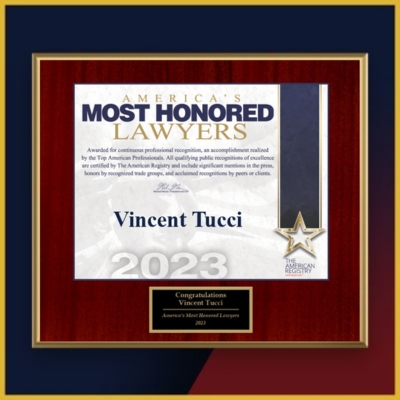
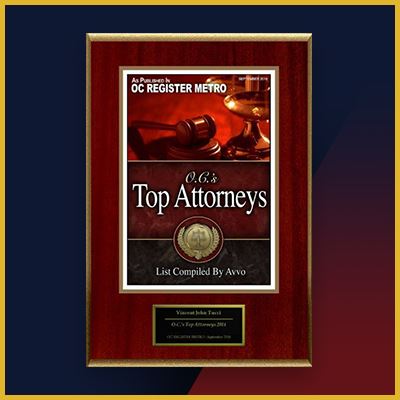
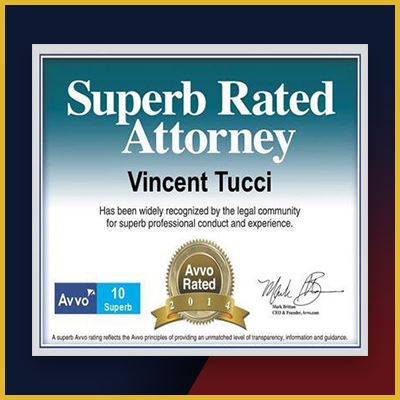
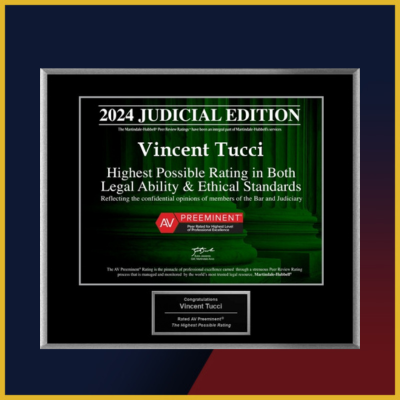
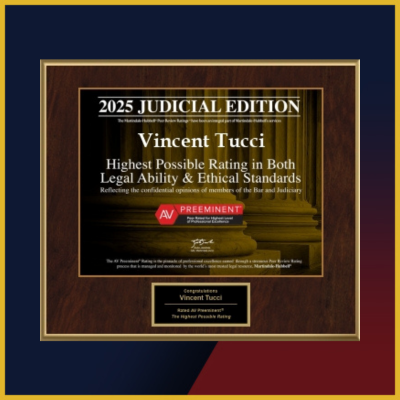
Attorney Vincent Tucci has personally tried more than 100 DUI jury trials, holds student certification in Standardized Field Sobriety Tests under National Highway Traffic Safety Administration standards, and has served as past President of the California DUI Lawyers Association.
Our defense work in Anaheim drug-DUI cases includes:
- Challenging the Traffic Stop: We determine whether the officer had legal grounds to stop your vehicle in the first place, because an unlawful stop can affect whether evidence gathered afterward is usable.
- Questioning Field Sobriety Tests: These tests are often subjective and can be affected by medical conditions, fatigue, anxiety, or improper administration. Vincent Tucci’s training in standardized field sobriety testing allows us to identify procedural and interpretive errors.
- Analyzing Chemical Tests: We evaluate whether blood or urine samples were properly collected, preserved, and analyzed, including chain of custody documentation and laboratory methodology.
- Examining DRE Evaluations: We challenge Drug Recognition Evaluator conclusions, including whether the evaluation was properly conducted and whether the observations reliably indicate impairment by a specific substance.
- Negotiating or Litigating: When appropriate, we negotiate with the prosecution regarding charges or alternative sentencing options. When the evidence and your goals call for it, we take your case to trial.
Our practice is limited to DUI and DMV defense, and clients work directly with our attorneys throughout the case. Free and virtual consultations are available.
Call (949) 996-0170 to schedule a free consultation with our Anaheim DUID defense team.

Contact Us for a Consultation
We Know What You're Facing. We Know How To Win.